

Above is the video of the livestreamed debate held Friday, October 2 at the University of South Florida Morsani College of Medicine (USF MCOM). USF MCOM is now regarded at the No. 1 medical school in Florida and has attained tier 1 ranking in research, placing it among the top 16 in the nation, on par with elite medical schools like Harvard, Johns Hopkins, Yale, and others. The University of Florida and my alma mater, the University of Miami, bless them, remain behind in tier 2.
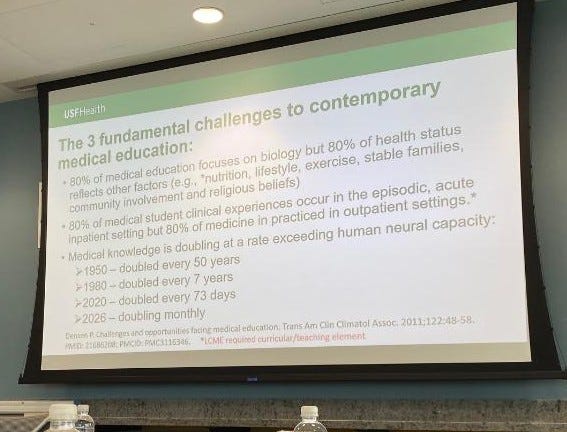
USF MCOM has done this while- some would say because of, promoting a rigorous curriculum melding traditional Hippocratic philosophy of medical education and practice with cutting edge technology and modern concepts of educating physicians to become excellent doctors in today’s rapidly changing world. It is now claimed that medical knowledge is doubling monthly versus every 7 years in 1980.
USF MCOM’s admissions are unapologetically based on merit. Scores on the Medical College Aptitude Test (MCAT) and undergraduate grade point averages (GPA) factor heavily in the criteria for consideration for admission. The admissions committee also considers moral character, work ethic, and other “holistic” factors, but proven performance as shown by undergraduate academic success is first and foremost. USF MCOM rejects DEI-based criteria, such as race, ethnicity, and gender in deciding who to accept, unlike the majority of schools in the US today.

Legend has it that Hippocrates taught his students on the Greek Island of Kos, under the branches of a sycamore tree. In homage to Hippocrates, cuttings from that tree have been propagated and given as gifts to medical schools around the world and places like the National Institutes of Health. USF MCOM has one such cutting planted outside the main entrance and carefully tended by a botanist at USF.

All four debaters, despite their disagreements, did agree on the importance of the MCAT scores and grades in predicting success in medical school and a later medical career. The difference there was that Drs. Goldfarb and Molson set a significantly higher bar for the minimum scores for admission than Drs. Ford and Reddick.
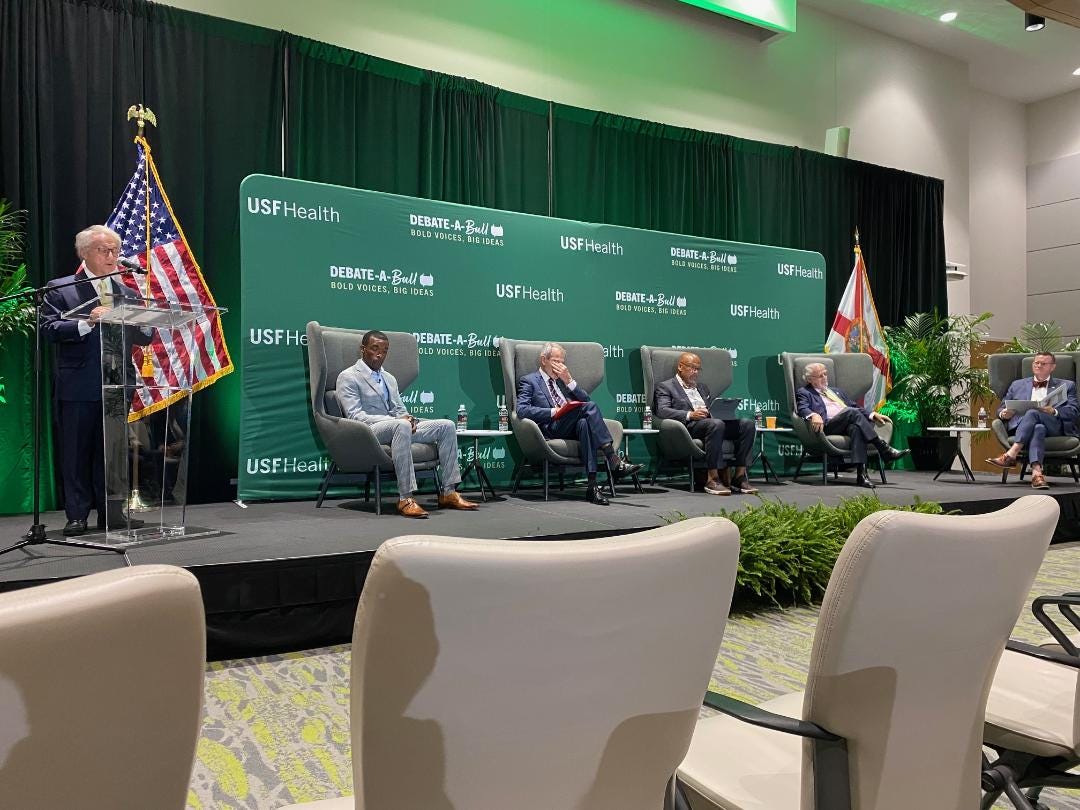
In addition to sitting in on the debate, I was privileged to attend a “working” lunch the day before at which the dean of the USF MCOM, Dr. Charles Lockwood, proudly showed us the incredible upward trajectory of the USF MCOM since he came onboard in 2014. To say this was impressive would be a gross understatement.
He spoke of the challenges of training Generation Z students (born between 1997-2012) who are often characterized, with some justification, by their overreliance on authority figures, helicopter parenting, exposure to social media, and emotional fragility when challenged. They have also been stunted socially and academically by the Covid school lockdowns of 2020-21. All new students and faculty at USF MCOM are required to read, The Coddling of the American Mind by Lukianoff and Haidt. Even though the curriculum rejects pass/fail grading for numeric, tiered grading, requires class attendance, and passage of exams (most of which are oral) to progress, the incidence of emotional and psychological problems among the students is so low that the faculty’s two psychological counselors have little to do.
Based on his tenure at USF MCOM, Dr. Lockwood has concluded that his students thrive and acquit themselves very well in attaining their top choices of residencies and performing well in them, not despite but, because of the rigorous curriculum, demands, and high expectations of the faculty.
The debate was on the relative merits of a merit-based versus holistic, aka DEI-based, admission criteria to medical school. I will leave it to you to view the debate video above and decide for yourself which is more likely to produce confident, excellent physicians. As Dr. Goldfarb stated, the ultimate criteria for which approach is better is which one best serves society’s needs for excellent health care.
I know which one I would choose.
Richard T. Bosshardt, MD, FACS
Senior Fellow at Do No Harm
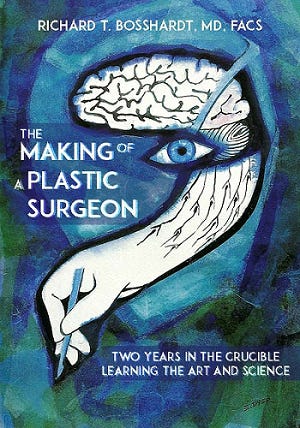
The Making of a Plastic Surgeon involves little to no coddling, trust me. If you wish to know more about this fascinating and widely misunderstood specialty, check out my book with the same name.
Thank you, Rick. I am going to use this information as I move forward to reinstate merit and competence back into the mental health field. I was so heartened to hear of USF MCOM's admissions policies in this desert of DEI.
I know which one I would choose, and I’m as certain as can be that it’s the same choice you would make!
I’m very concerned that such a debate even needs to occur. Such a lack of critical thinking and common sense does not bode well for the future.